What Actually Makes a Potato Chip Crunch
Starch, water and oil temperature decide whether you get a snap or a bend. Here is the mechanism.
3 min read
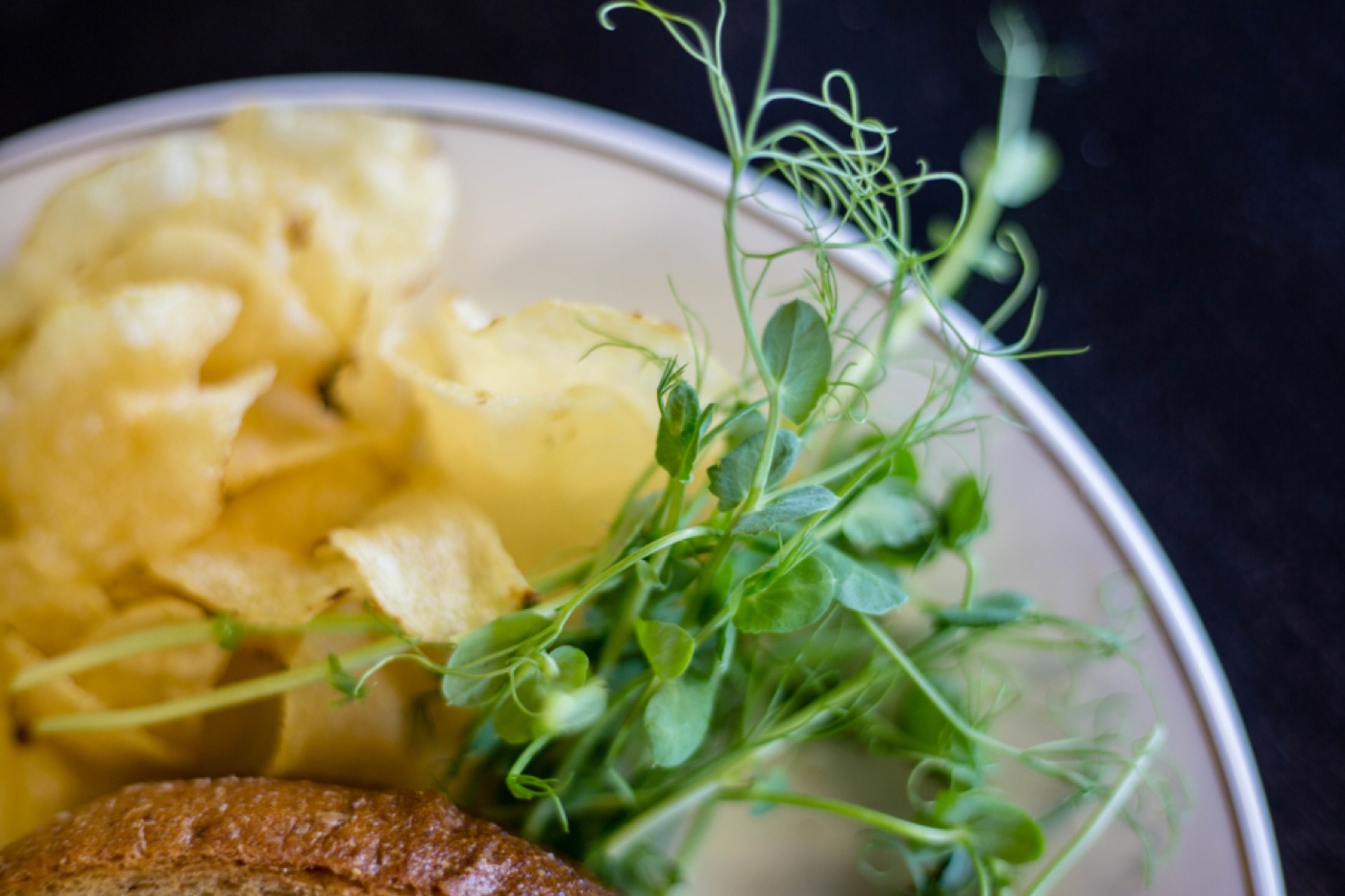
Crunch is not a flavour, but it is the reason most people prefer one crisp over another. It comes from a specific and fairly narrow set of conditions, and once you know them you can predict how a bag will eat before you open it.
Water is the enemy
A raw potato is about 80% water. A finished crisp is about 2%. Everything that happens in the fryer is the removal of that water and its replacement with oil and air.
The crunch you hear is the sound of a rigid, dried starch structure fracturing. If any meaningful water remains, that structure bends instead of breaking. This is why a slightly stale crisp goes soft rather than hard: it has pulled moisture back out of the air.
Why the potato variety matters
High-starch, low-moisture potatoes fry better. Maris Piper, Russet Burbank, and Agria are the usual choices. Waxy potatoes hold more water and less starch, so they take longer to dry out and go leathery before they go crisp.
Sugar content matters too, and it is why chip makers care about storage. Potatoes stored too cold convert starch to sugar, and sugar browns fast in oil. Store a potato at 4C and you get dark, bitter crisps from a potato that would have been fine at 8C.
The temperature window
Fry too cool, around 140C, and the potato absorbs oil before its surface seals. You get a greasy, dense chip.
Fry too hot, above 195C, and the outside colours and sets before the inside has given up its water. You get a chip that looks done and is soft in the middle, and which softens completely within a minute of cooling.
The useful range is roughly 160C to 180C. Commercial kettle chips use the lower end for longer, which is where the thicker, harder, more irregular texture comes from.
Thickness changes the sound, not just the bite
A thin crisp shatters. A thick one snaps. Both are crunchy but they are not the same event, and the reason is how the fracture propagates: a thin sheet breaks all at once, a thick slice breaks in stages.
This is why kettle chips survive a dip and standard crisps fold. It is a structural property, not a quality one.
Where the ingredient list gives it away
- Sunflower or rapeseed oil: neutral, clean, lets seasoning lead
- Olive oil: heavier, adds a peppery note, costs more, usually means a slower fry
- Palm oil: high in saturated fat, very stable, gives a firm bite and a long shelf life
- Dextrose listed early: added to control browning, and it will read as faintly sweet
- Rice flour or a starch coating: a crunch shortcut, common in "extra crunchy" lines
A three-ingredient list generally means the maker is relying on the potato and the fry. A twelve-ingredient list generally means they are relying on the seasoning.
Making it happen at home
The two-stage fry is not optional if you want real crunch. Fry once at about 150C to cook through and drive off water, rest, then fry again at 180C to set the surface. One-stage frying gives you a chip that is crisp for about ninety seconds.
Rinse the slices first. Surface starch turns into a gummy layer that traps steam, and rinsing it away is the difference between crisp and slightly tacky.
The short answer
Dry starch fractures. Wet starch bends. Everything about a good crisp is an argument for getting the water out before the surface closes.
- potato
- frying
- starch
- texture
- ingredients
Keep reading
Spicy Garlic Chickpeas
Crispy, crunchy, and seriously addictive. Ready in 20 minutes with one can and a hot pan.
2 min read
 Guides
The 12 Saltiest Snacks Around the World
From Japan to Mexico, these are the snacks that lean hardest into salt, and what makes each one work.
3 min read
 Snack Reviews
Torres Sea Salt Potato Chips: Worth the Hype?
Simple ingredients, perfect crunch, and a price that makes you think. We went through six bags to find out.
3 min read
Published Jun 14, 2026 on SaltySnacks.