The 12 Saltiest Snacks Around the World
From Japan to Mexico, these are the snacks that lean hardest into salt, and what makes each one work.
3 min read
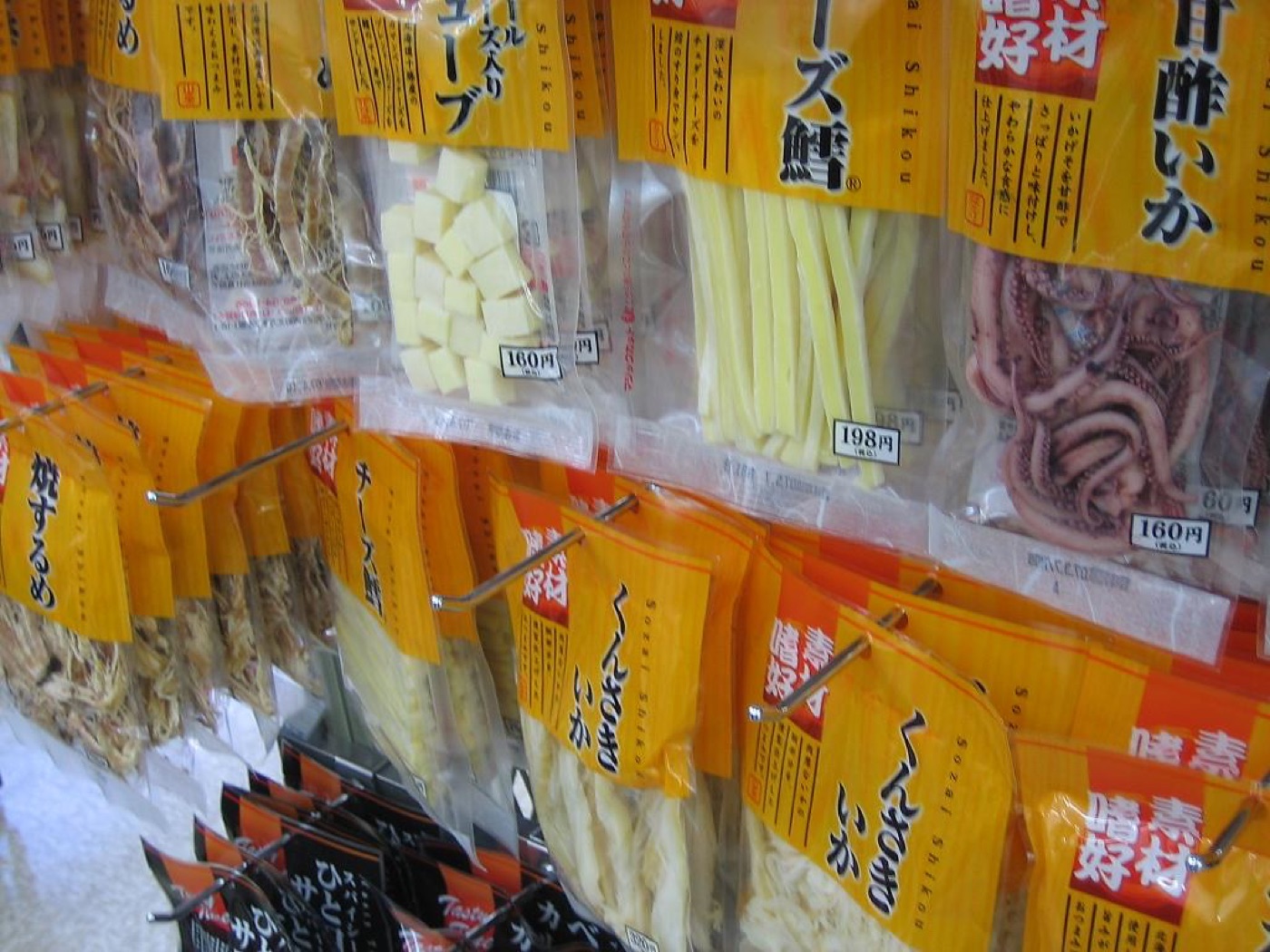
Salt is the only seasoning that appears in every snack tradition on earth. What changes is what it is carried on, and how much restraint the maker showed. Very little, in these twelve cases.
We have eaten all of these. Where something is hard to find outside its home market, we say so.
1. Umeboshi, Japan
A pickled plum, cured in salt until it collapses. The salt content is brutal, somewhere north of 20% in traditional preparations, and it is meant to be eaten a fragment at a time with rice rather than by the handful. The sourness arrives first and the salt lands about two seconds later.
2. Salmiakki, Finland
Salt liquorice, made with ammonium chloride rather than sodium chloride. It reads as salty, bitter and faintly numbing at once. Finns eat it from childhood. Almost nobody who meets it as an adult enjoys the first piece.
3. Chicharrón, Mexico
Pork skin fried until it puffs, then salted while it is still hot enough for the crystals to weld on. Bought from a street cart it comes in sheets the size of a dinner plate. The salt is not subtle and is not trying to be.
4. Bombay mix, India
Not one snack but a category: fried gram flour noodles, peanuts, lentils and curry leaves, seasoned with salt, chilli and often amchur. The salt is doing structural work here, holding a dozen textures into something that tastes like one thing.
5. Torres black truffle crisps, Spain
The famous ones, in the small black bags. What is interesting is that the salt level is lower than the aroma leads you to expect. The truffle carries the perceived intensity and the salt just underlines it.
6. Biltong, South Africa
Air-dried beef cured with salt, vinegar and coriander. Unlike jerky it is not cooked, so the salt is doing preservation work rather than flavour work. The good stuff tastes of beef first and salt second.
7. Pretzels, Germany
The pretzel is a salt delivery system with a lye crust as the excuse. Rock salt, applied in crystals large enough that you get salt-then-bread rather than salty bread. The two-stage hit is the whole point.
8. Salted duck eggs, China
Cured in brine or salted charcoal paste for a month. The yolk turns firm, orange and slightly grainy. Eaten with congee, a quarter of a yolk seasons a whole bowl.
9. Olives, Greece
The oldest salty snack still in wide circulation. A Kalamata cured properly tastes of fruit and brine in roughly equal measure. Cured badly, it tastes only of the brine.
10. Anchovies, Italy
Salt-packed rather than oil-packed, eaten on bread with butter. This is the highest ratio of salt to substance on the list, and the butter is not optional.
11. Marmite on toast, Britain
Yeast extract, about 11% salt by weight, spread thinly on buttered toast. The instruction to spread thinly is not modesty. It is a warning.
12. Salted egg fish skin, Singapore
The newest entry here and the one most likely to be unfamiliar. Fish skin fried crisp and coated in a salted egg yolk powder that is sweet, savoury and grainy at once. It has spread across Southeast Asia in about a decade.
What the list has in common
Every one of these pairs salt with something that gives it a reason to be there: fat, acid, fermentation, or a texture that needs contrast. Salt on its own is not a flavour anyone eats twice. Salt on a fried pork skin is a snack that has survived five hundred years.
- international
- salt
- snack culture
- guides
Keep reading
 Guides
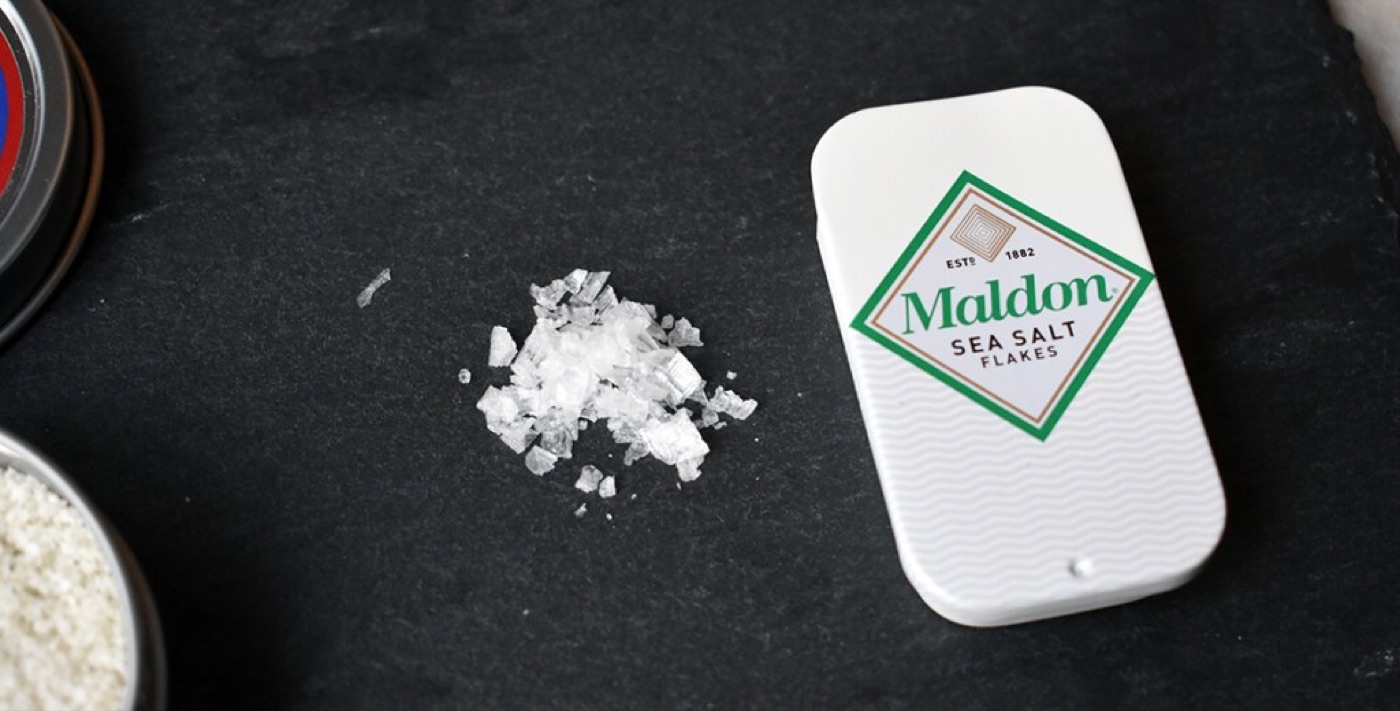
Sea Salt 101: Types, Uses and Flavour Differences
Flaky, fine, kosher, fleur de sel. What actually changes between them, and which one belongs on your snack.
3 min read
 Guides
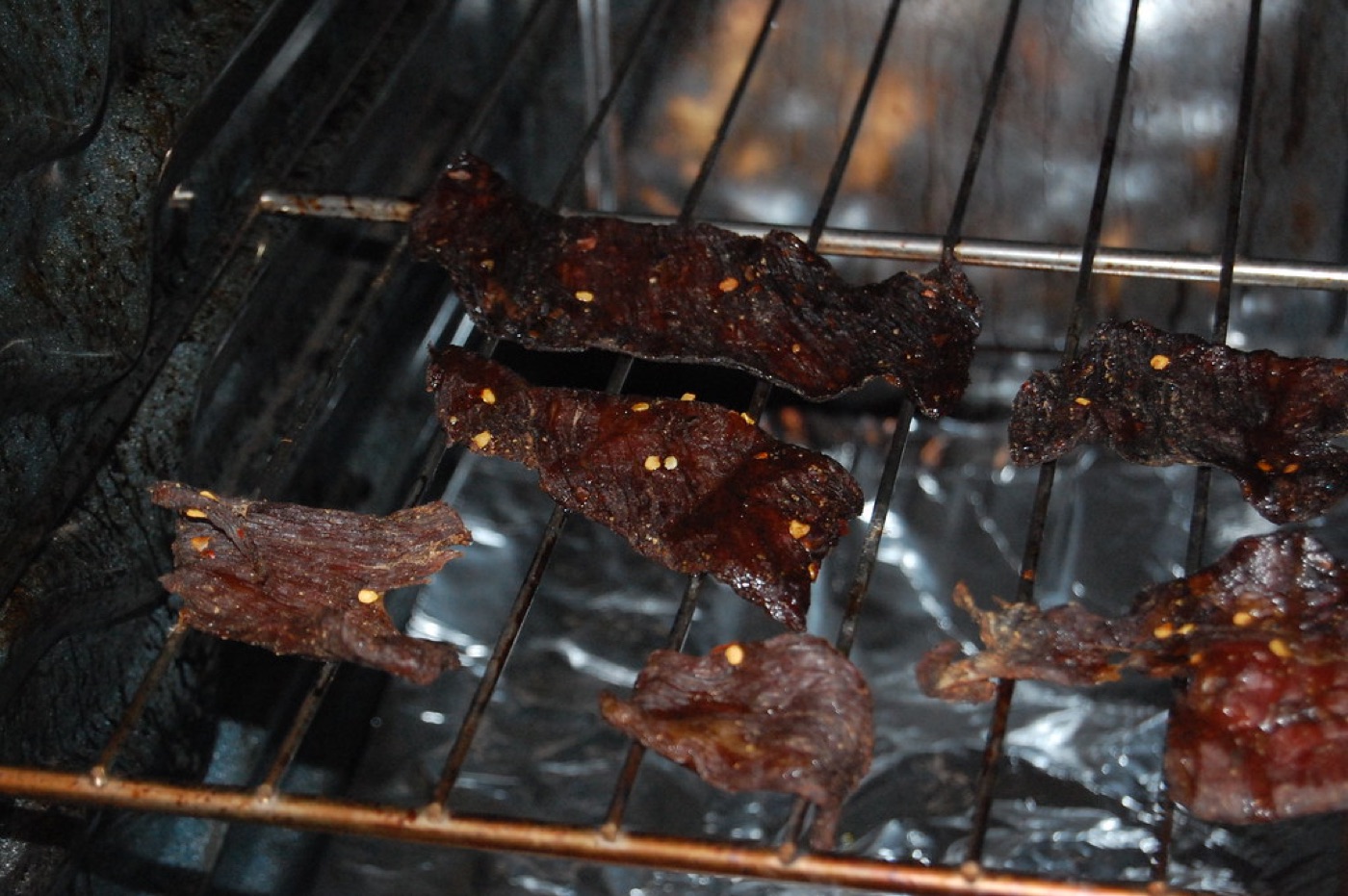
Beef Jerky Showdown: Store-Bought vs Homemade
We made four batches and bought six brands. Here is where homemade wins, where it loses, and what it actually costs.
3 min read
 Guides
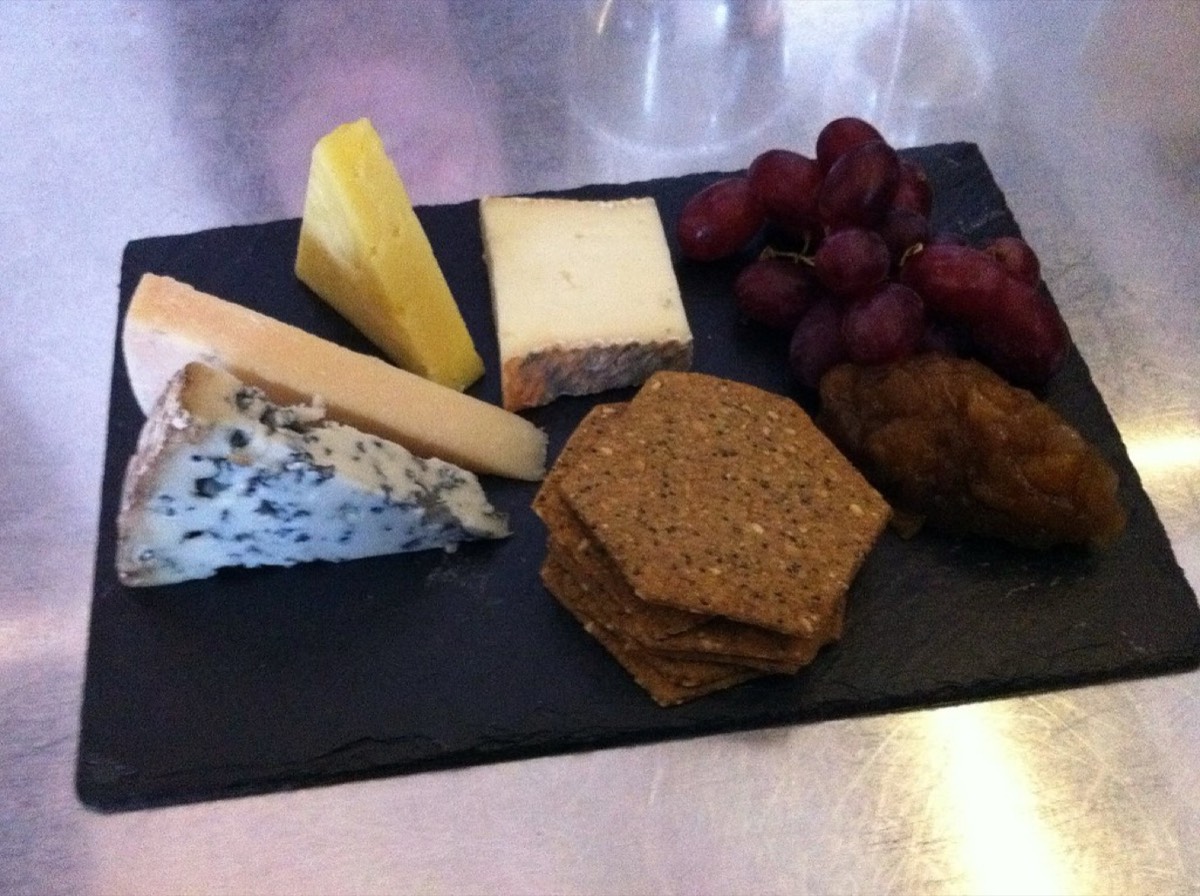
The Ultimate Guide to Building the Perfect Snack Board
How to build a board people actually finish, using ratios rather than a shopping list.
3 min read
Published Jul 15, 2026 on SaltySnacks.