Beef Jerky Showdown: Store-Bought vs Homemade
We made four batches and bought six brands. Here is where homemade wins, where it loses, and what it actually costs.
3 min read
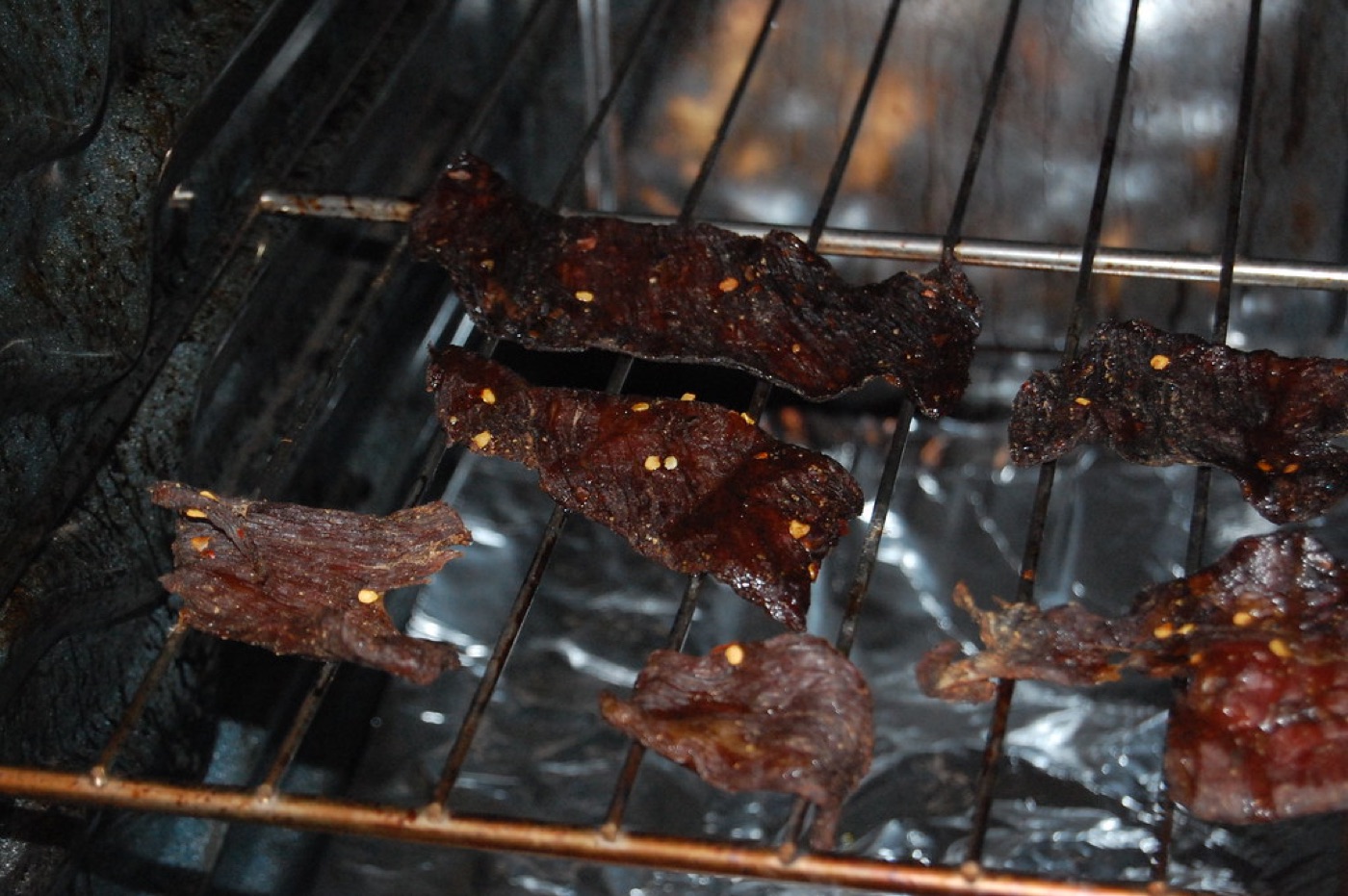
Making jerky at home is presented as obviously cheaper and obviously better. Having done it four times and bought six brands at full price to compare, only one of those is reliably true.
The test
Four homemade batches: two in a low oven, two in a dehydrator, all from bottom round cut against the grain at about 5mm. Six store brands across price points, all bought at retail.
Where homemade wins
Salt control. This is the big one. Commercial jerky sits between 500 and 800mg of sodium per 30g serving because salt is doing preservation work and because it sells. At home you can cure at the low end of safe and the beef actually tastes of beef.
Sugar control. Most supermarket jerky is noticeably sweet. Read the label on a teriyaki style and you will find sugar in the top three ingredients. Homemade lets you leave it out entirely, which changes the snack completely.
Texture. You choose. Commercial jerky is dried to a shelf-stable moisture level, full stop. At home you can pull it softer, which is better eating and worse keeping.
Cut. You can use a cut you like. Nobody sells brisket jerky at a sane price.
Where store-bought wins
Consistency. Our four batches varied more than the six brands did. Home ovens have hot spots, slices are never quite even, and the difference between chewy and brittle is about twenty minutes.
Shelf life. Commercial jerky is stable for months. Ours was good for about a week refrigerated, and that is with more salt than we wanted to use.
Actual cost. Here is where the received wisdom falls apart.
The cost, honestly
A 1kg piece of bottom round yields roughly 400g of finished jerky. Meat loses about 60% of its weight in water.
At UK supermarket prices, 1kg of bottom round is around £9 to £11. Add marinade ingredients and eight to ten hours of oven or dehydrator time, and you are at roughly £26 to £30 per kilo of finished jerky, plus energy.
Mid-range supermarket jerky runs about £40 to £55 per kilo. Premium brands go north of £70.
So homemade is cheaper, but by less than people claim, and only if you value your time at zero. The saving is real against premium brands and thin against the cheap ones.
Safety, which nobody mentions
Drying alone does not make meat safe. The USDA recommendation is to heat jerky to 71C / 160F before or after drying, because the drying temperature range is a comfortable one for bacteria if the meat is not brought up to temperature at some point.
The simplest version: dry as normal, then put the finished strips in a 135C / 275F oven for ten minutes at the end. It costs you nothing in texture.
We are not a food safety authority. If you are curing meat regularly, read the actual USDA guidance rather than a blog.
What we would do
Buy jerky for the car, the desk drawer and the walk. Make it when you want a specific thing the shops do not sell: low sugar, high heat, a particular cut, or a texture that is closer to fresh.
Making it to save money is the wrong reason. Making it to eat something you cannot buy is the right one.
- jerky
- homemade
- cost
- drying
- guides
Keep reading
 Guides
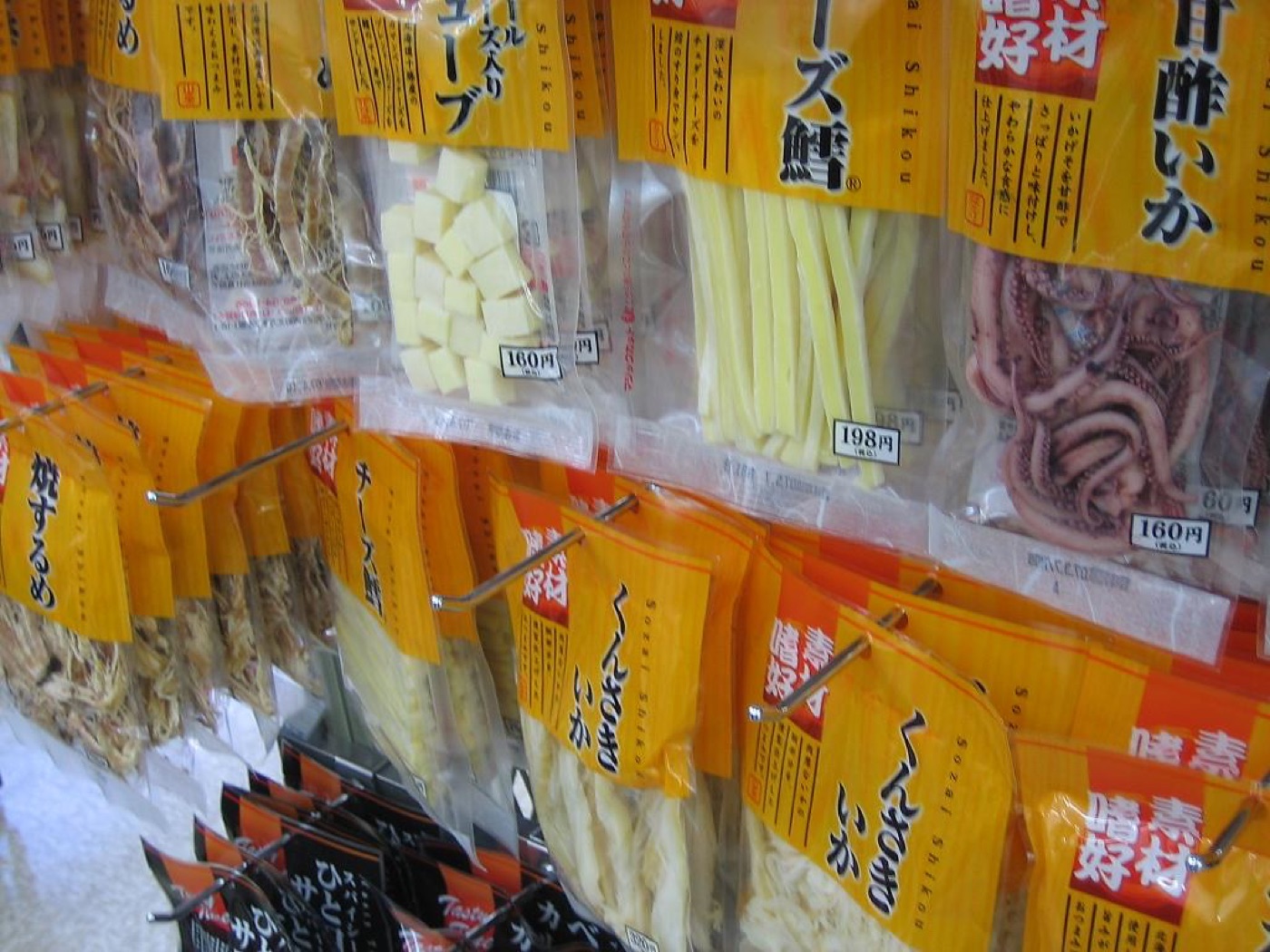
The 12 Saltiest Snacks Around the World
From Japan to Mexico, these are the snacks that lean hardest into salt, and what makes each one work.
3 min read
 Guides
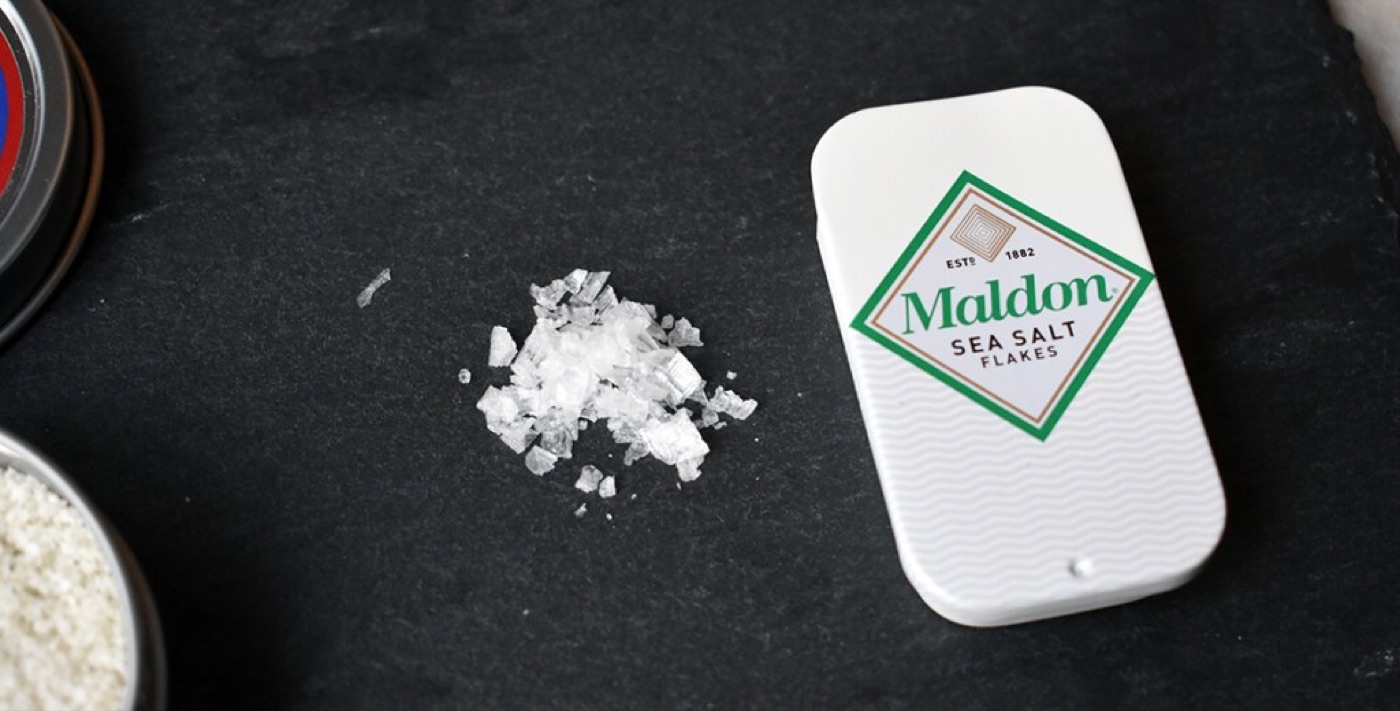
Sea Salt 101: Types, Uses and Flavour Differences
Flaky, fine, kosher, fleur de sel. What actually changes between them, and which one belongs on your snack.
3 min read
 Guides
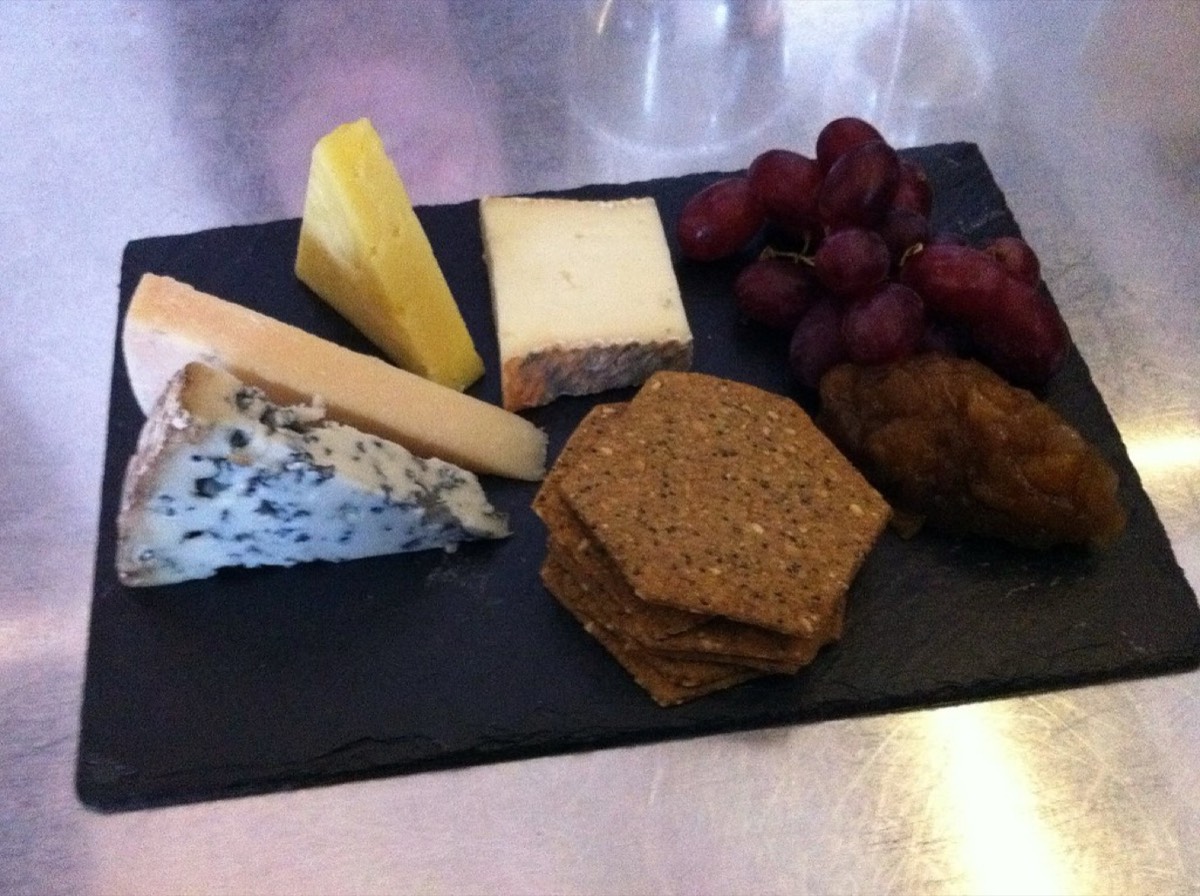
The Ultimate Guide to Building the Perfect Snack Board
How to build a board people actually finish, using ratios rather than a shopping list.
3 min read
Published Jun 25, 2026 on SaltySnacks.